



Release agents for rotational molding (rotomolding)
Home » release agents » Release agents for rotational molding (rotomolding)
Release agents for rotational molding are chemical products applied to the inner wall of the mold so that the rotomolded part separates easily at the end of the cycle. At AITANACHEM, we have developed a water-based semi-permanent release agent specifically for rotational molding: free from solvents and alcohols, non-flammable and with a wide working temperature range. A single application allows several consecutive releases, with no transfer of product to the part and no build-up in the mold.
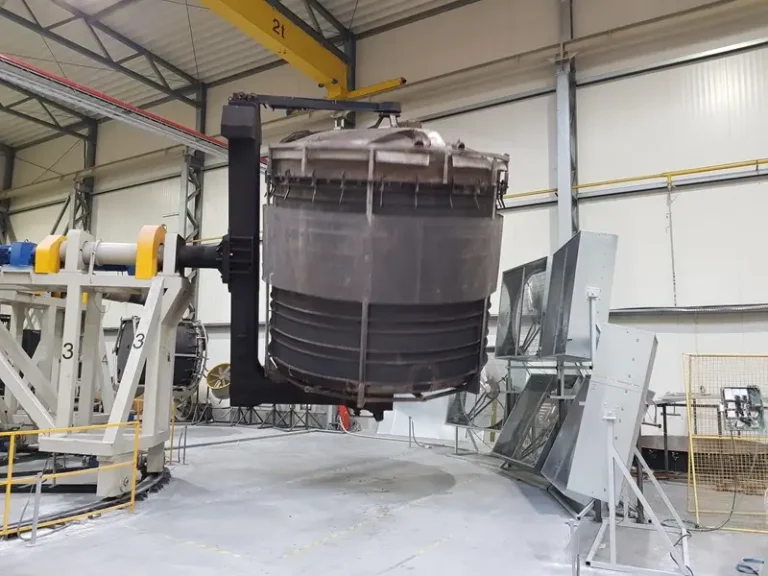
How the release agent works throughout the rotomolding cycle
Rotational molding is not an immediate-release process. The part must remain attached to the mold wall for a large part of the cycle and separate only at the very end. This is why a rotational mold release agent has to perform four different functions at different stages of the process:
- Allow the resin to adhere to the mold walls during the initial heating phase, acting at all times as a physical barrier between the mold wall and the plastic resin.
- Ensure that the entire part remains in contact with the mold walls throughout the heating cycle and the initial part of the cooling cycle.
- Maintain that contact until the part has gained the structural cohesion it needs so as not to collapse during demolding.
- Enable the rapid extraction of the part without causing any abrasion to the mold surface.
This sequence explains why a generic release agent does not perform well in rotomolding: it is not enough for it to release the part, it has to release it at exactly the right moment. Our release agents for rotational molding are based on high-performance polymers that behave as a flexible yet resistant barrier between the mold and the abrasive mix, providing lubricity and non-stick properties while protecting the mold surface.
What a rotational mold release agent must deliver
If you are currently evaluating suppliers, these are the three criteria that make the difference in this specific industry:
Wide working temperature range
This is the point most often overlooked. Many release agents on the market require a minimum activation temperature and stop working once a certain threshold is exceeded. In a rotational oven, where the mold goes through a complete thermal cycle, that narrow margin translates into failed releases. A release agent with a wide temperature range optimises cycles and directly improves productivity.
Zero transfer to the rotomolded part
The release agent must not transfer to or contaminate the part. This is critical for high value-added parts that will be painted, screen-printed or bonded at later stages, such as automotive components. Even minimal transfer forces you to add a washing step that increases costs and slows down the line.
Free from solvents and alcohols
In an industry where ovens exceed 200 °C, working with flammable products is an avoidable risk. Our water-based release agents release neither CFCs nor volatile organic compounds, are not classified as dangerous goods (ADR) and allow for a safer, healthier working environment. You can see the full comparison between technologies in our guide to mold release agents
Compatible plastics and parts
Our release agents for rotational molding are designed for production with a range of plastic materials: polyesters, epoxies, polyethylenes, polypropylenes, polyamides, phenoplasts, aminoplasts, vinyl derivatives and acrylic derivatives, amongst others.
The rotational molding industry manufactures very different parts, and the release agent has to adapt to each case:
- Large tanks for water or fuel, produced in large, regular molds.
- Automotive parts, typically with complex geometries and finishes that require subsequent painting.
- Furniture and garden products, where the surface finish determines the quality of the final product.
It is in molds with complex geometries — where demolding is more difficult and the risk of deforming the part is higher — that a semi-permanent release agent makes the greatest difference compared with traditional continuous-application systems.
PTFE-coated mold or semi-permanent release agent?
Many rotomolding plants turn to molds with a PTFE (Teflon) coating to make demolding easier. It is a valid solution, but there are three drawbacks worth weighing up before deciding:
- High initial investment. Coating a mold with PTFE represents a considerable outlay, particularly on large molds.
- Wear through use. The coating becomes scratched with successive demoldings and progressively loses its non-stick properties.
- Costly restoration. Once the coating has degraded, the mold has to be treated again to restore its non-stick performance, with the associated cost and production downtime.
A water-based semi-permanent release agent works differently: the non-stick barrier sits between the mold and the part, and it is formed by the release agent itself. As that barrier gradually depletes, we simply reapply the release agent to the mold surface. No special mold treatment and no downtime. It is a more economical and simpler solution to apply, and it lets you work with conventional molds without depending on a coating that degrades demolding after demolding.
Rotational mold cleaning and maintenance
The performance of any release agent depends on the condition of the mold. A mold with accumulated residue reduces the number of releases per application and worsens the finish of the part. Before implementing a semi-permanent system, we recommend that you:
- Carry out a thorough cleaning using mold cleaners suited to the type of residue.
- Apply a sealer as part of mold treatment and maintenance, which closes the micropores in the surface and multiplies the effectiveness of the release agent.
Frequently asked questions about rotational mold release agents
Why is a water-based release agent recommended for rotomolding?
For safety reasons. In an industry where ovens operate at very high temperatures, a non-flammable product removes a significant risk from the working environment. Two practical advantages come on top of this: as they are not classified as dangerous goods (ADR), transport and storage costs are reduced, and they comply with European directives, which are increasingly restrictive towards chemical products that emit volatile substances. In terms of performance, developments over recent years have brought water-based release agents on a par with solvent-based ones.
How many releases can you get from a single application?
We do not give a fixed figure, because it would be misleading. The number of releases depends above all on the geometry of the part, and also on the plastic being processed and the thermal cycle: the same application can perform very differently on a straight-walled tank and on a part with ribs and tight angles. What is a genuine technological difference is this: a semi-permanent release agent allows several consecutive releases after a single application, whereas traditional continuous-application systems require the product to be reapplied on every cycle. We determine the specific figure for your process during the trial phase at your own premises.
Which plastics is the rotational molding release agent suitable for?
Polyesters, epoxies, polyethylenes, polypropylenes, polyamides, phenoplasts, aminoplasts, vinyl derivatives and acrylic derivatives, amongst others. If you work with a specific formulation or with special fillers, we analyse compatibility before recommending a product.
Does the release agent affect subsequent painting of the part?
No. Our semi-permanent release agents are formulated to prevent the transfer of silicones or oils to the rotomolded part, so the surface is ready for painting, screen printing or bonding without an intermediate washing stage. This is particularly relevant for automotive parts.
How should a water-based release agent be applied correctly?
Application determines a large part of the performance: water has a high surface tension, which means the equipment and spraying technique matter more than with a solvent-based product. We explain this step by step, video included, in our guide on how to apply water-based release agents
We adapt the release agent to your rotomolding process
Mold size, the plastic being processed, cycle duration and the finish required on the part change the requirements of the release system to a large extent. That is why, rather than selling an off-the-shelf product, we analyse your process and send you the release agent that best fits your needs so that you can test it at your own premises. Always with our technical support throughout the trial phase. Depending on the results, we assess adjusting the formulation to the specific characteristics of your production.
Are you experiencing demolding problems, residue build-up or deformed parts?
Get in touch with us and we will look at your case with no obligation.
👉 Looking for general information on release technologies, types of release agents and other application sectors? Take a look at our complete guide to industrial mold release agents